


DOWNLOAD THE FULL ARTICLE HERE
Coating Failure of Top Hats Could Lead to…
Structural adequacy issues
• Reduce load capacity
• Loss of section
• Weaker Connections
• Façade Instability
Fire Performance Risks
• Earlier structure failure in fire
• Reduce fixing strength
• Increased risk of cladding detachment
Waterproofing issues
• Movement
• Sealant Failure
• Water Ingress
• Mould
• Long-term building damage
a) Structural Adequacy Issues: Why Rusted Top Hats Can No Longer Support Your Façade
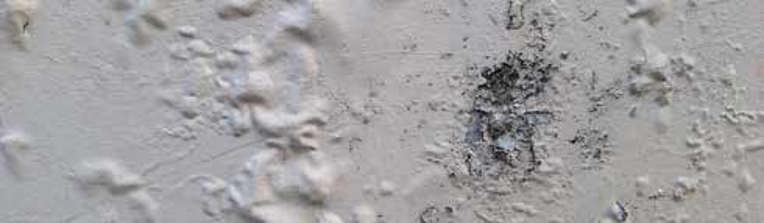
Red rust can expand up to 10 times the volume of steel, so when corrosion begins, it progressively eats away at the material while also causing surface expansion.
As corrosion progresses, it results in:
• Reduced steel thickness, lowering the load-carrying capacity
• Weakened connections, particularly fasteners fixed into the corroding Top Hat
• Distortion or buckling, as volumetric expansion pushes the steel out of shape
In façade systems where Top Hats support cladding, these effects can cause:
• Sagging or displacement of cladding
• Premature fatigue and cracking
• Failure to meet design wind-pressure or structural performance requirements
Over time, corroded steel can no longer perform the way it was designed, compromising the stability of the entire façade assembly.

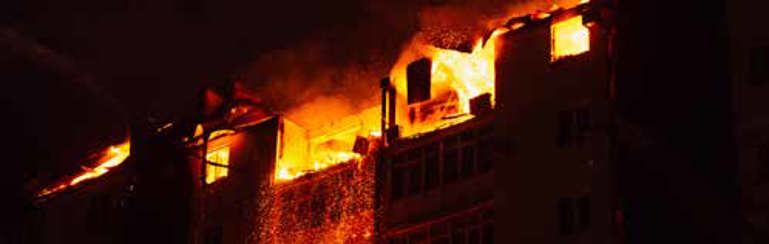
b) Fire Performance Risks: How Corroded Top Hats Fail Faster Under Fire Conditions
Corrosion not only weakens steel in normal conditions, it also significantly reduces its performance during a fire.
Steel naturally loses strength when exposed to high temperatures. If corrosion has already reduced the steel’s cross-section:
• The material reaches its failure point much sooner in a fire
• Deformation occurs faster, increasing the likelihood of cladding collapse or detachment
• The sub-framing may no longer be able to maintain façade integrity long enough to meet fire performance expectations
Corrosion also degrades fastener threads and reduces pull-out strength. During a fire, materials expand and loads shift, meaning fixings must perform reliably. Rusted Top Hats compromise that reliability, increasing the risk of:
• Cladding panels falling away
• Fire spread pathways opening within the façade cavity
• Falling debris endangering occupants or emergency responders
Simply put, a weakened substrate dramatically undermines the fire performance of the entire façade system.
c) Waterproofing Failures: How Rusted Top Hats Can Lead to Leaks and Façade Damage
Corrosion also has significant implications for building envelope performance. As steel rusts and expands, it can cause:
• Bowing or distortion of the Top Hat
• Movement at junctions and fixings
• Cracking of cladding boards, joints, and sealants
Even small shifts in a façade system can compromise waterproofing membranes, flashings, or seal interfaces—creating new pathways for water to enter the structure.
These issues increase the likelihood of:
• Water ingress
• Moisture accumulation behind cladding
• Mould growth
• Long-term deterioration of insulation, sheathing, and framing
• Premature failure of the façade system
Water penetration is one of the most common and most expensive building defects. Premature corrosion of Top Hats magnifies the risks, which can lead to:
• Higher maintenance costs
• Increased insurance and liability exposure
• Remediation works that far exceed any initial cost savings from low
zinc-coated imports
To explore detailed findings on continued non-compliance with NCC & Australian Standards, click here.
Explore Edition 1 and 3 of our Cutting Corners Campaign for Further Insight on the Full Investigation:
Edition 1: Investigation Into Imported Steel Products
Edition 3: The Real Cost of Cutting Corners: Corrosion Discovered in a Building Less Than Five Years Old