



Rondo FAST-FIX Nogging®: The Patented Innovation Only Available from Rondo
When it comes to steel stud wall systems, noggings are an important component in achieving wall performance, structural integrity, and compliance. Since its release, many contractors have embraced FAST-FIX Nogging® for its ability to speed up installation and simplify framing on site.
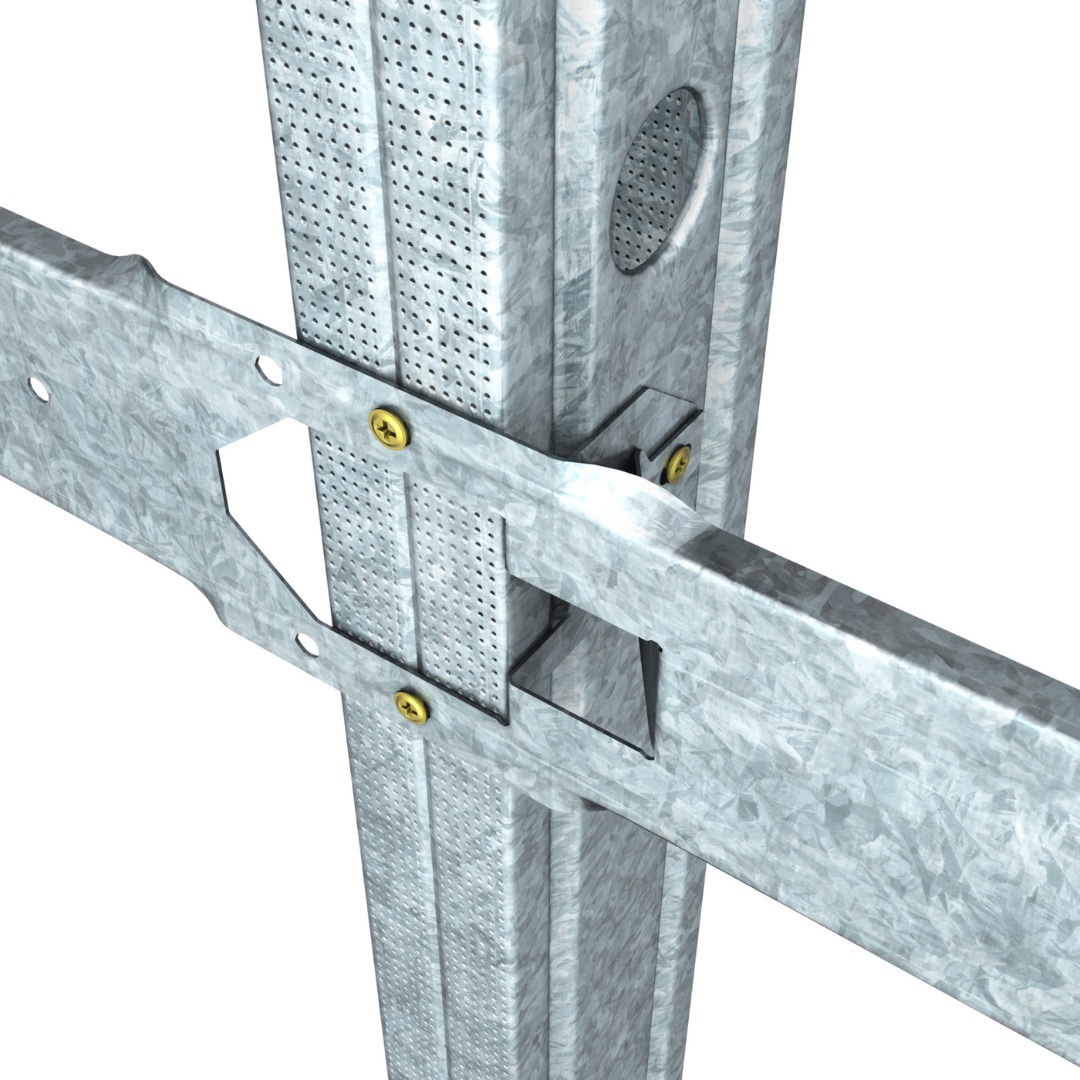
Unlike traditional systems, FAST-FIX Nogging® can be installed after the stud and track wall framing has already been completed. This provides installers with greater flexibility during construction and allows noggings to be easily retrofitted later if required.
The FAST-FIX Difference
Released in 2019, FAST-FIX Nogging® quickly became a popular choice among contractors looking for a faster, more flexible solution for steel stud wall construction. With the innovation recognised with patent protection #2018201152, FAST-FIX Nogging® is a world-first innovation and remains exclusively available from Rondo
Conventional noggings often require installers to select different nogging types depending on the wall configuration. FAST-FIX Nogging® simplifies the process with an innovative design that suits a wide range of common stud applications, including:
- Single steel stud applications
- Boxed steel stud applications
- Back-to-back steel stud configurations
- Staggered steel stud walls
- Larger stud profiles including Rondo DUPLEX® and QUIET STUD®
This versatility helps reduce installation complexity while improving productivity on site.
While many contractors prefer FAST-FIX Nogging® for its speed and flexibility, some installers continue to use traditional nogging systems depending on project requirements and installation preferences. By offering both traditional and FAST-FIX Nogging® solutions, Rondo gives contractors the flexibility to choose the system that best suits their application.
Why Contractors Choose FAST-FIX Nogging®
Since its release in 2019, FAST-FIX Nogging® has become a popular solution because it helps contractors:
- Speed up wall framing installation
- Reduce labour costs
- Retrofit noggings after framing installation
- Improve wall alignment and finish quality
- Maintain NCC compliance requirements
- Simplify installation across multiple stud systems
Faster Installation, Greater Flexibility
FAST-FIX Nogging® is available in 300mm, 400mm, 450mm and 600mm punch-outs to suit common stud centres.
Manufactured from 0.70 bmt steel, FAST-FIX Nogging® matches the base metal thickness of Rondo’s traditional stud systems while delivering greater installation flexibility.
Contractors can also choose between two fixing methods depending on the wall application:
Face-Fix Installation
A simple two-screw face-fix arrangement designed for fast and efficient installation of full-height lined walls, whether lined on one side or both sides.
Tab/Face-Fix Installation
A three-screw arrangement using the integrated bendable tab, suitable for:
- Partially lined walls
- Staggered stud systems
- QUIET STUD® wall applications
What Are Noggings and Why Are They Important?
Noggings are horizontal bracing components installed to wall studs in steel stud wall systems. While they may seem like a simple part of the wall, they play a critical role in wall performance, safety, and compliance.
Noggings are important because they:
- Help achieve compliance with NCC fire-rated wall requirements
- Assist compliance with NCC structural requirements
- Reduce stud rotation and wall movement
- Improve building movement performance by minimising structural noise
- Provide lateral relief to wall linings
- Improve wall strength and efficiency
- Help deliver higher quality wall finishes
- Improve installation efficiency on site
Without noggings, wall studs are more susceptible to twisting and movement, which can lead to plasterboard cracking, alignment issues, unwanted wall noise, and reduced structural performance.
1. Noggings Help Achieve NCC Compliance
One of the most important functions of noggings is assisting compliance with the National Construction Code (NCC).
Fire-Rated Wall Compliance
Rondo includes noggings in fire-rated wall systems where required to ensure walls:
- Meet structural adequacy requirements
- Comply with tested fire-rated system designs
- Maintain performance under load conditions
Structural Compliance
The NCC also addresses structural adequacy requirements in Section B, including design actions such as:
- Wind loading
- Seismic actions
- Structural movement
Noggings assist in reducing unrestrained wall stud length and improving overall wall stability, helping lightweight wall systems comply with structural design requirements.
Why Noggings Improve Wall Performance
2. Noggings Can Reduce Stud Rotation and Noise
Without noggings, wall studs are more likely to rotate under structural movement. This can create noise within the wall system and increase the likelihood of plasterboard misalignment.
By stabilising studs, noggings help reduce movement and minimise the risk of unwanted wall noise over time.
3. Noggings Can Improve Wall Finishes
Stud rotation can also affect plasterboard installation quality. Walls without adequate nogging support may experience:
- Uneven board joints
- Misalignment of plasterboard edges
- Plasterboard cracking
- Poor wall plumb and finish quality
Properly installed noggings help maintain stud alignment and improve the overall quality and durability of the finished wall.
4. Noggings Can Create More Efficient Wall Designs
Noggings can also improve the efficiency of steel stud wall systems.
By reducing the unrestrained torsional and flexural length of studs, noggings allow walls to achieve greater heights and improved structural performance without increasing stud quantities.
Innovation Backed by Rondo
FAST-FIX Nogging® reflects Rondo’s ongoing commitment to innovation in lightweight steel framing systems.
Protected by Australian Patent #2018201152, FAST-FIX Nogging® remains a unique, world-first solution only available from Rondo.